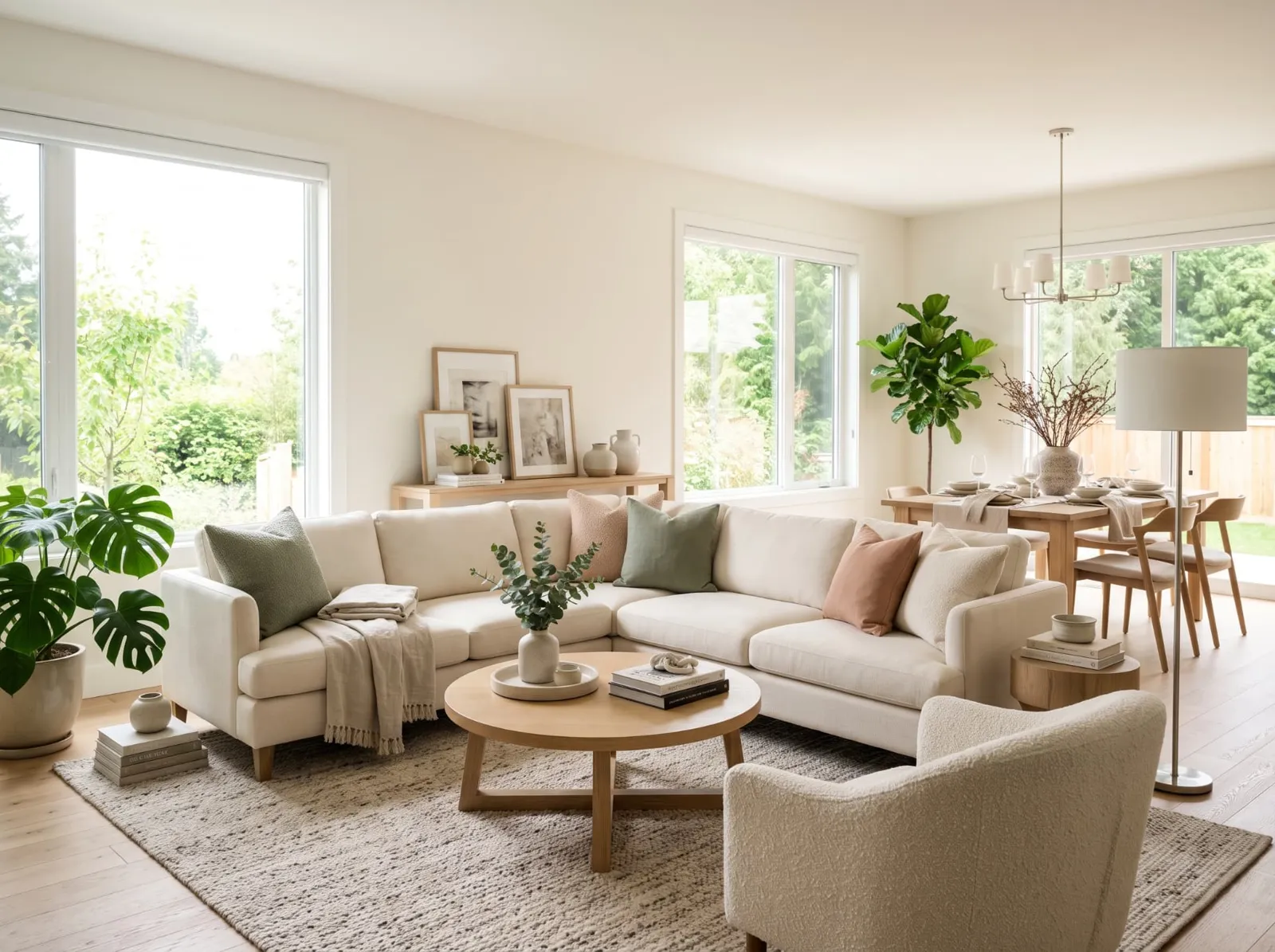
Case study summary
Two home staging founders in San Diego were growing quickly, and every new project multiplied the furniture handling, packing, and storage behind the scenes. They partnered with Juujbox for inventory storage, a visual catalog of their pieces, and warehouse preparation for upcoming stagings. Storage is billed on occupied warehouse positions, the founders keep the creative decisions, and Juujbox runs the warehouse work behind them.
The two founders had built a home staging business that was growing quickly. They were looking toward more customers, larger properties, and opportunities to take the company further.
Every new project also brought more physical work.
Furniture had to be located and moved. Artwork, rugs, bedding, and decorative pieces needed to be selected, packed, and transported. When a staging ended, everything had to come back and be prepared for another home.
The founders could see the opportunity ahead. They also knew how much of their time and energy the operation already required.
They brought Juujbox in to help build the warehouse and logistics support behind their next stage of growth.
When every new customer adds more work behind the scenes
Home staging depends on both creative judgment and physical execution.
The founders decide how a property should feel, which pieces suit the space, and how to present it to prospective buyers. Delivering that vision requires an inventory of furniture and accessories, and a process for getting the right combination into each home.
As the business grew, so did the responsibility of managing those pieces.
A new staging meant selecting inventory and arranging transportation. A completed staging brought packing, collection, and storage. Sometimes unused pieces needed to come back immediately while the rest stayed at the property.
Each project created work before the installation and after the home was ready.
Taking on more customers would multiply those responsibilities. The founders needed a way to grow that gave them more capacity to lead the business.
Building support around the way the business worked
The company partnered with Juujbox for inventory storage in San Diego, a visual inventory catalog, and warehouse preparation for upcoming stagings.
The transition was designed to fit around active projects.
As each staging came down, its contents could move into Juujbox’s warehouse instead of returning to the company’s storage units. Furniture and decor could enter gradually while other pieces continued working in homes.
That approach let the founders build the new operation into their existing schedule.
Their storage arrangement also followed the movement of their inventory. Monthly storage charges were based on the occupied warehouse positions, with pieces out in staged homes excluded from that count.
The warehouse could support the business as inventory returned, went out again, and expanded.
Keeping the creative decisions with the founders
The founders’ knowledge of their inventory is part of what makes their staging work distinctive. They know how pieces work together and how to adapt a room to a particular property.
Juujbox began photographing and cataloging the inventory so those decisions could be made with a visual record of what was stored.
Furniture, artwork, mirrors, rugs, plants, and smaller decorative pieces were organized into a customer portal with photos and recorded warehouse quantities.
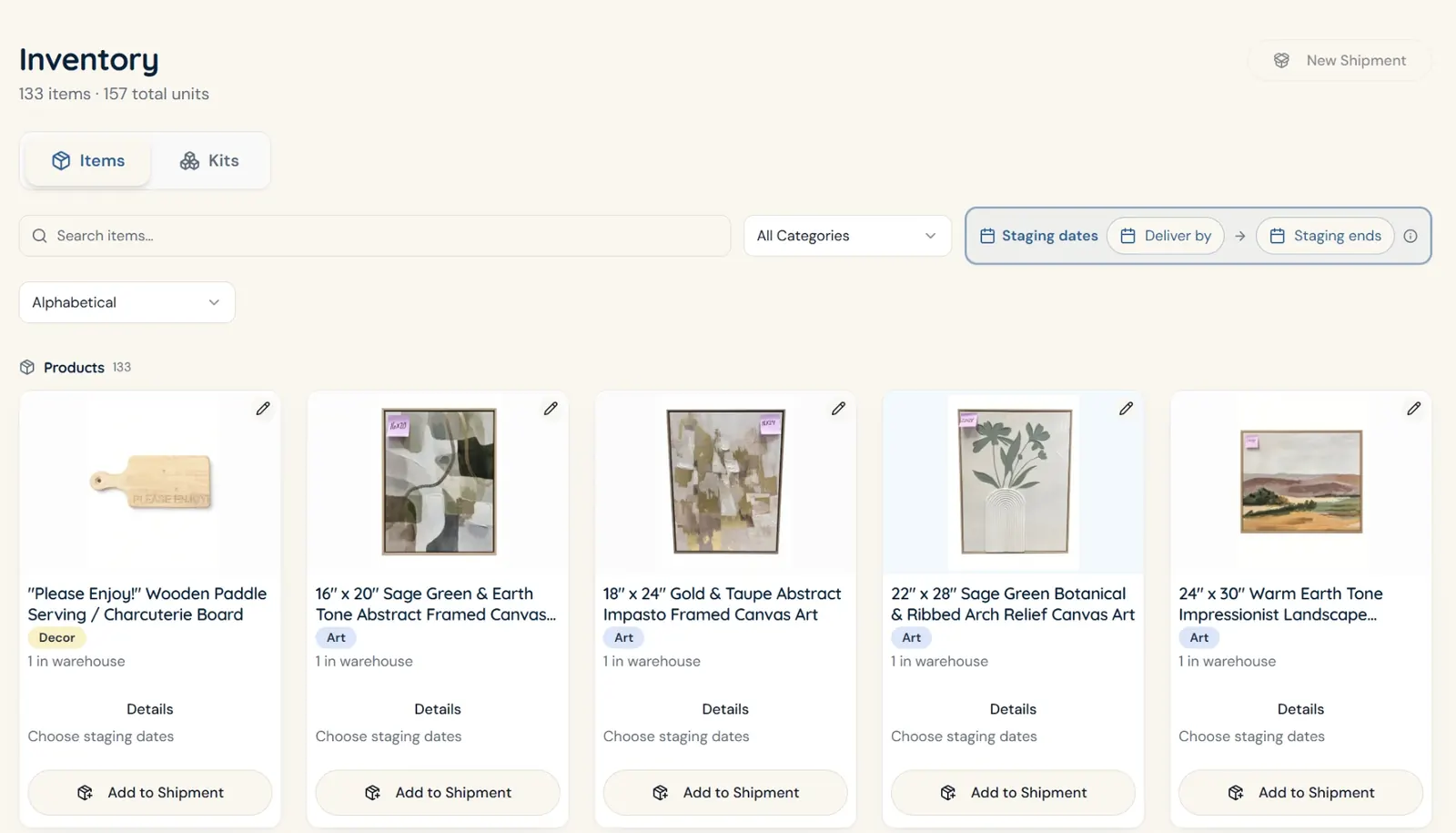
That creates a practical connection between planning a home and preparing its contents.
The founders can review pieces remotely, choose what suits the property, and communicate the selection to the people handling the inventory. Related items can also be organized into reusable staging kits, with the flexibility to combine pieces differently for each project.
The creative direction stays with the people who built the business. The warehouse provides support for carrying it out.
Putting a team behind the physical work
Once the founders select the inventory and provide the schedule, the agreed workflow gives Juujbox responsibility for pulling the order, wrapping appropriate pieces, and preparing it at the dock.
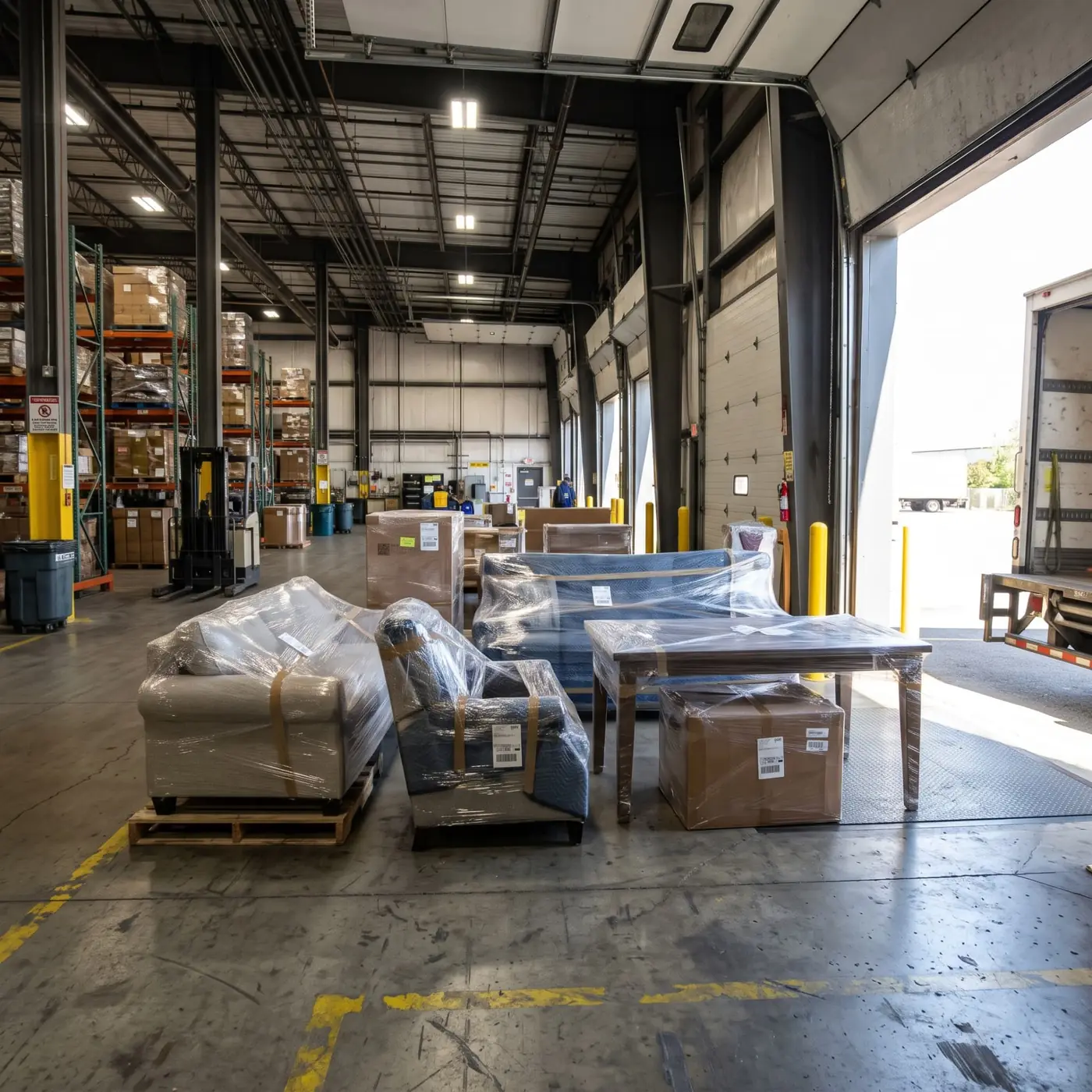
The moving crew handles furniture requiring two-person lifts. Juujbox handles the smaller items and warehouse preparation, and introduced the founders to moving companies to help them develop the transportation side of the operation.
The plan also covers the less visible work after an installation: collecting empty totes and unused small items, then receiving, inspecting, and restocking inventory when a staging ends.
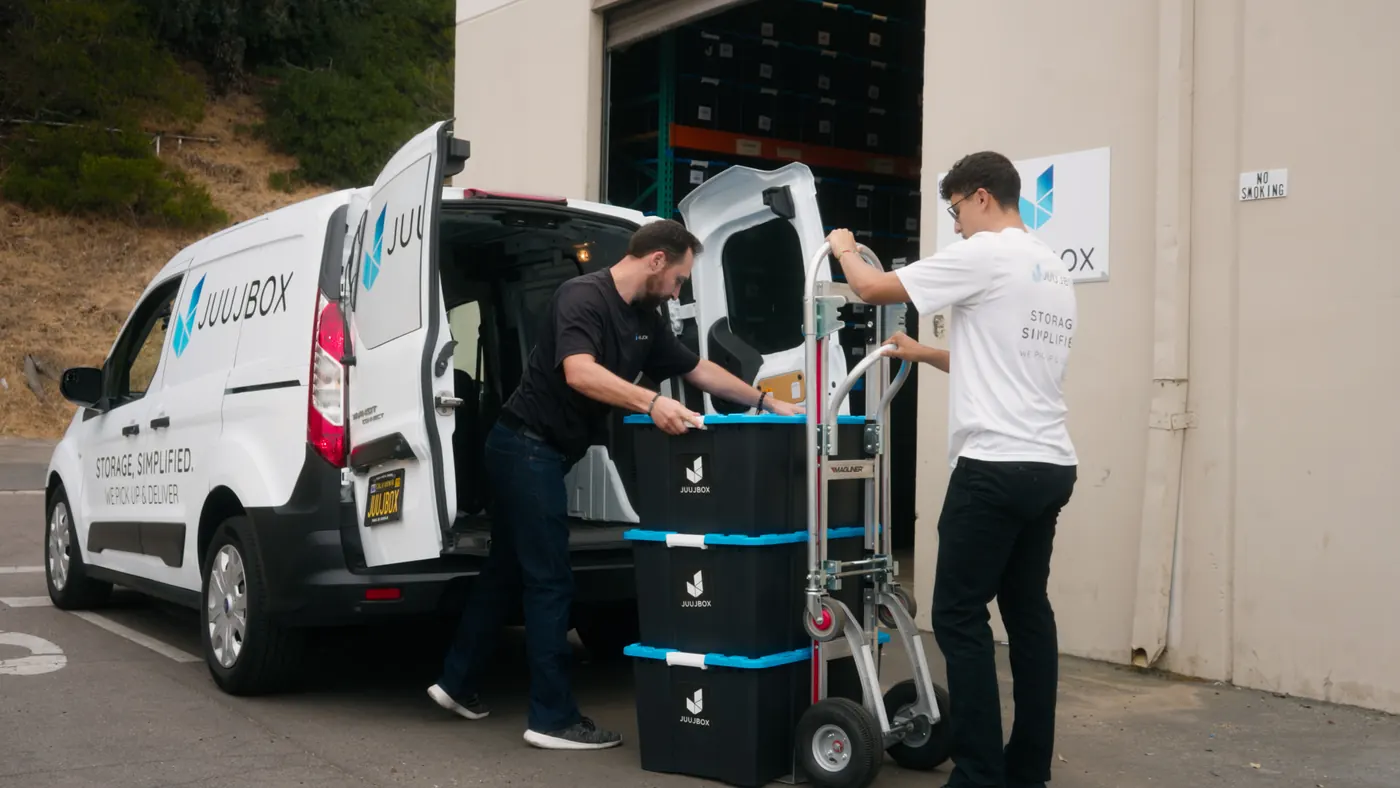
Those steps make the partnership relevant throughout the life of a project.
For the founders, the aim is to have people and processes behind the work that accompanies each new customer. They can plan for a larger business with a clearer way to manage the inventory moving through it.
Creating more room to grow the business
The founders’ ambition reaches beyond managing furniture.
They want to develop customer relationships, pursue larger opportunities, and bring their staging approach to more properties. Those activities need time and attention from the people leading the company.
Juujbox’s role is to support the physical operation behind that ambition: a place for the inventory, visibility into what is stored, and a team to prepare it for its next use.
That same need appears in many San Diego businesses. Interior designers, event teams, and companies managing reusable equipment all depend on physical assets that need to be stored, selected, prepared, and moved.
Connecting warehouse visibility with deployment support gives those businesses a way to put their inventory to work while their teams focus on serving customers.
For these two founders, it is a foundation for the next chapter: growing their company with more support behind every home they stage.
Is managing stored inventory taking time away from growing your business? Talk to Juujbox about business storage and logistics in San Diego.